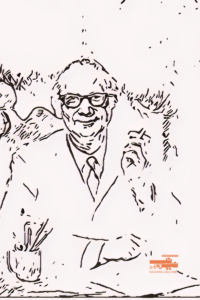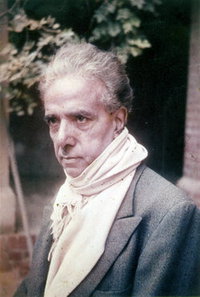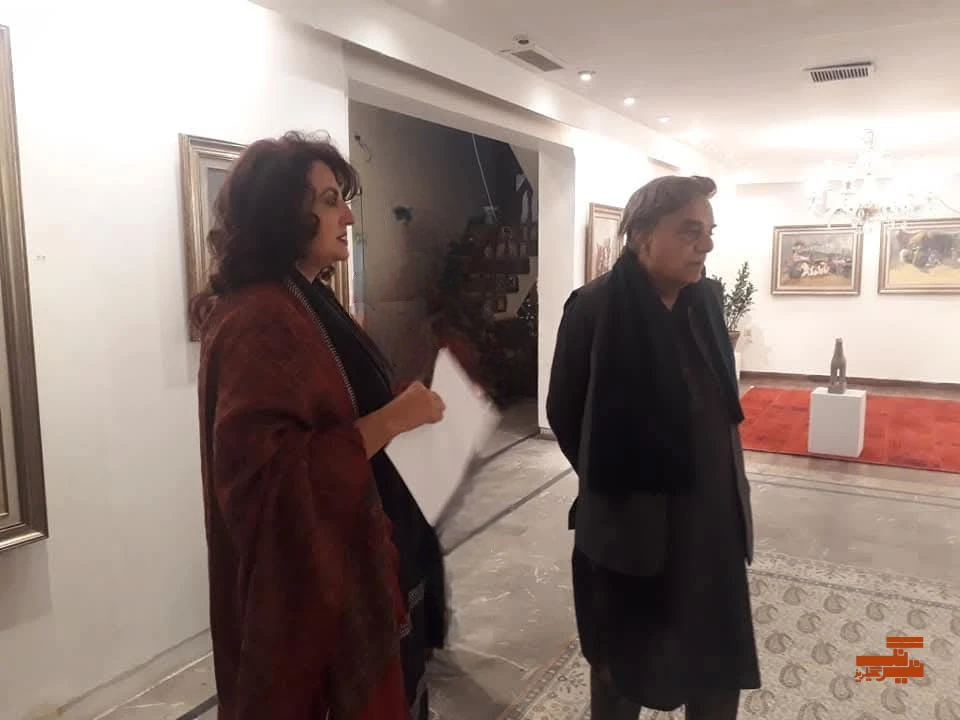
Human experiences turn physical environments into emotional spaces. The vintage lights at Nairang are part of a much larger tradition of illumination: not simply a hodgepodge of fixtures assembled to light a room, but a discernible range of handmade wall hangings, artistic ceiling lights, and chandeliers that convey the dignity of craft, the sophistication of old Lahore, and a quiet authority that comes from being grounded in a culture. Many of the lights are representative of the design language of Nayyar Ali Dada, founder of Nairang Gallery, whose aesthetic perspective has influenced the most iconic spaces in Lahore. At Nairang, these lights are not curated as commodities; they are curated as part of an artistic legacy.
Vintage lights at Nairang Gallery represent a blend of craftsmanship, cultural heritage, and artistic design, transforming lighting from utility into a meaningful aesthetic experience.
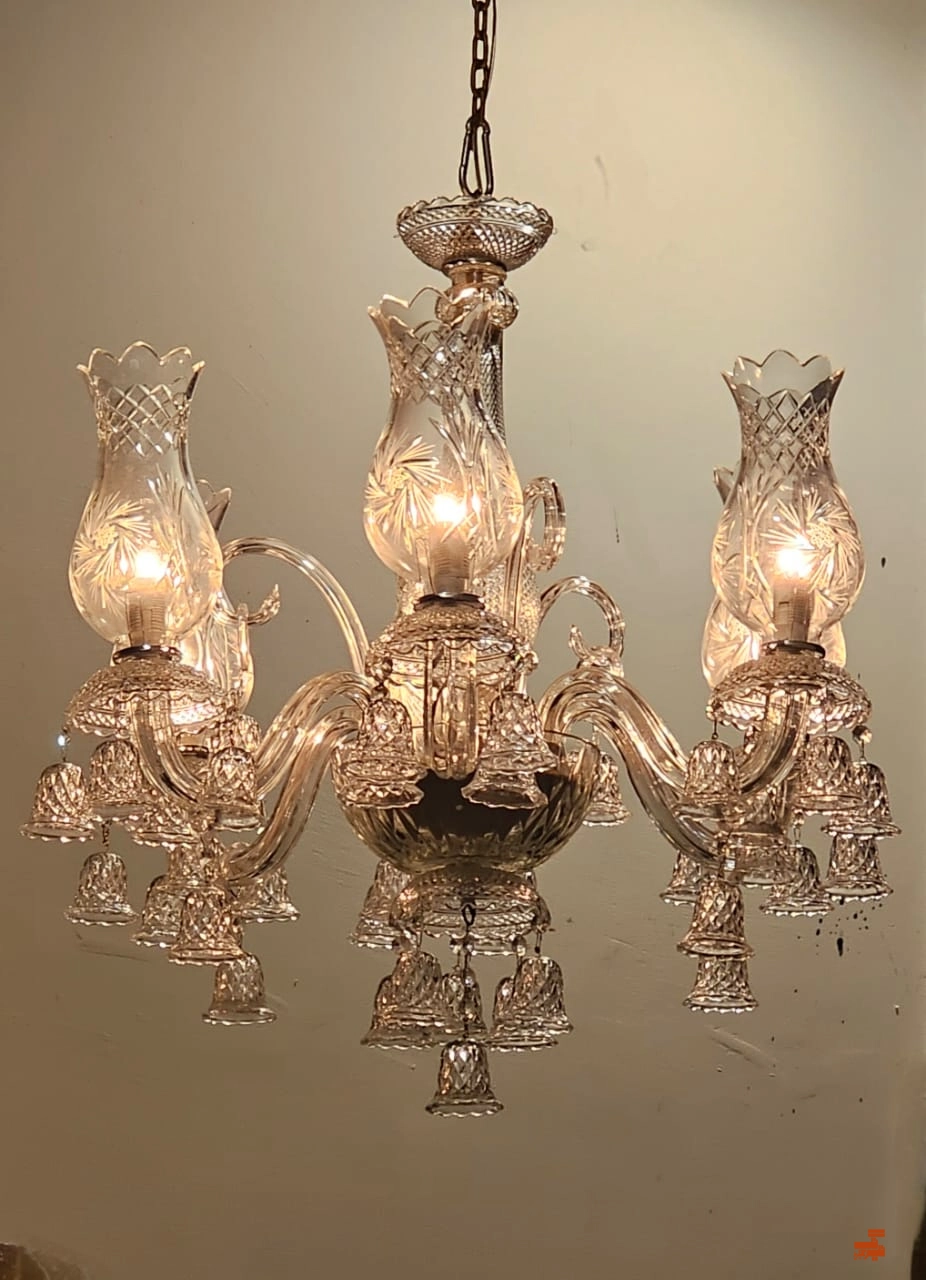
When light becomes art
Introducing vintage lights in a cultural setting like Nairang Gallery is not simply a recommendation of a piece of luminaire. It is suggesting an object that comes with a quietly theatrical sense of luxury, a luxury long associated with good taste and discernment. These are not the ordinary, mass-produced fittings you will find waiting in any showroom. They are bespoke objects that represent a true sense of aesthetic quality. If conceived by artisanal masters where vision is an integral part of their heritage, then light is no longer just utility; it is an art form. Nairang Gallery frames vintage lights as part of a larger artistic and civilisational narrative. Their presence is a reminder to the visitor that design is not a functional afterthought; it is a cultural expression of the most intimate and personal aspects of a culture. Through the selection and display of handmade wall lights, artistic ceiling arrangements, and characterful chandeliers, Nairang Gallery upholds a particular sensibility: that of good taste, indulgent hospitality, and a commitment to aesthetic excellence.
Craft, Design, and Personality
Each object of meaning has a personality. The personality of the lights at Nairang Gallery is reflected in material, proportion and the unapologetic hallmarks of the handmade. Brass, glass, textured metals, and considered silhouettes come together to produce objects that seem to belong to a different time, but are still tuned to a slower beat and a more attentive way of being with the world. Certain designs may invoke classical beauty, but they are very much alive today; good design does not age, it matures.
Each object also takes its identity from the architectural imagination of Lahore. Among those whose work has inspired elements of this collection is Nayyar Ali Dada, whose work has helped to write the aesthetic grammar of contemporary Pakistan while speaking to its memory. When such a vision is articulated as a luminaire, it does not simply light a room; it fashions the mood of the space. In this way, the vintage lights at Nairang Gallery are deeply tied to the notion of curated living.
They also exist in direct opposition to the anonymous nature of industrial production. Variation in the handmade is not a defect; it is a difference. It is the mark of the hand, of labour, judgement, and artistic care: qualities that are especially resonant in the current age.
Cultural and Artistic Value
There is a cultural intelligence in acknowledging the relationship between the decorative and the historical. Light fixtures have always had a certain salon aesthetic to them. A chandelier in a South Asian interior means splendor, a wall hanging means intimacy, and a ceiling light means the rhythm of a room. Their shapes are often rooted in the wider arts, floral patterns, geometric patterns, and arch-like curves, creating a composition in which shadow and light are considered part of the piece.
In a space such as Nairang Gallery, these lights enhance the visual language of Lahore by maintaining a language of distinction that would otherwise be lost to the pull of the standardised. They remind us that interiors are not neutral vessels: we inhabit spaces with grace, or without it. The right light shapes our perception of art, shapes our conversation, and moves our memories. To say that some rooms are remembered for their light before they are remembered for their furnishings is not an overstatement.
Their artistic value is particularly compelling in a city such as Lahore, where architecture, literature, hospitality, and performance have always intersected. Vintage lights are an organic part of that environment; they help shape the emotional design of culture.
Nairang Baithak and the Atmosphere of Place
Nairang Baithak, currently known as Nairang Gallery, has always been more than an exhibition space. It is a living cultural ecosystem, a space where conversation, art, music, literature, and memory intersect. In such a space, vintage lights are not mere embellishment. They are another layer of atmosphere. A baithak is, above all else, a place of ambience. It is for the cultivation of presence, for conversation, exchange and reflection. A baithak’s light must know how to host. It is that condition fulfilled by the premium, handmade lights that Nairang showcases. They draw warmth from the walls, drama from the ceiling, and ceremony into the collective space. In doing so, they become part of Nairang Gallery’s larger responsibility in fostering the artistic temperament of Lahore. To the visitor, they are not objects to be looked at. They are part of the experience of being at Nairang. Their effect is more of a quality of the room and it is here that the curatorial intelligence of Nairang becomes most evident: culture is not only paintings and printed matter. Culture is also the things we craft that shape the way we inhabit the world.
Light and Urdu Literature
There is something very literary about vintage lights. A chandelier could be an evening of poetry; a wall light could be an old drawing room where prose was told as the day went down; a carefully chosen ceiling light could be the setting of a story half-dreamt. Their worth is more than function or style; it is mood, and mood is a kind of meaning.
Light has always been a signifier in literature of realisation, desire, memory, and interiority. In object, those meanings become material. That is why the vintage lights in Nairang Gallery have a kind of narrativity, a continuity of object with atmosphere, of what is and what is remembered. They speak a language that demands not just that we undergo beauty, but that we live it.
They also remind us that the arts do not occupy separate compartments. Architecture informs furniture. Furniture informs space. Space informs mood. Mood informs the experience of the arts. A gallery that understands this is more than a marketplace for paintings, it is a cultural centre. That is the deeper significance of Nairang’s vintage lighting.
A Return to Lahore’s Light
Lahore has always been a city of light — morning light on old façades, lamplight in the courtyards at night, candlelight in rooms at festivals, quiet radiance in great halls, the long afternoon. To encounter vintage lights in a contemporary gallery is to find an echo of that archive.
They also remind us that remembrance, when active, can be purposeful and precise. A handmade object in a contemporary space can be organized by centuries of aesthetic grammar, and still be entirely legible today. That is the particular strength of this collection: it does not settle the past; it lets it continue to burn.
The designs associated with Nayyar Ali Dada only reinforce that sense of continuity and renewal. Their presence links the gallery’s collection to the wider spaces of Lahore, where design has shaped public and private experience, and that linking is meaningful. It firmly places Nairang Gallery in the cultural biography of the city.
A Tribute to Nairang Gallery
Nairang Gallery deserves applause not for its collection, but for the culture of attentiveness it embodies, a conspicuous act of cultural stewardship in a time drowned with the disposable, the hurried, and the impulsive. In its love of vintage lights, workmanship, lineage, and atmosphere more generally, it says something quietly powerful and distinctively remarkable.
And it does so in a substantial way through the kind of thing it does, by gathering hand-crafted premium lights, wall hangings, chandeliers and ceiling fixtures less as a separate product category but within a broader artistic framework, as an acknowledgement that culture in Lahore is not only performed and written but also arranged through designed objects that contribute to the texture of everyday life. These lights become part of that ongoing narrative, in the service of art, of place, of memory.
And in doing so, they signpost Nairang Gallery as a cultural institution with the dignity and gravity to match: possessing curatorial insight, an eye for historical context, and a faith in the enduring value of things that light.
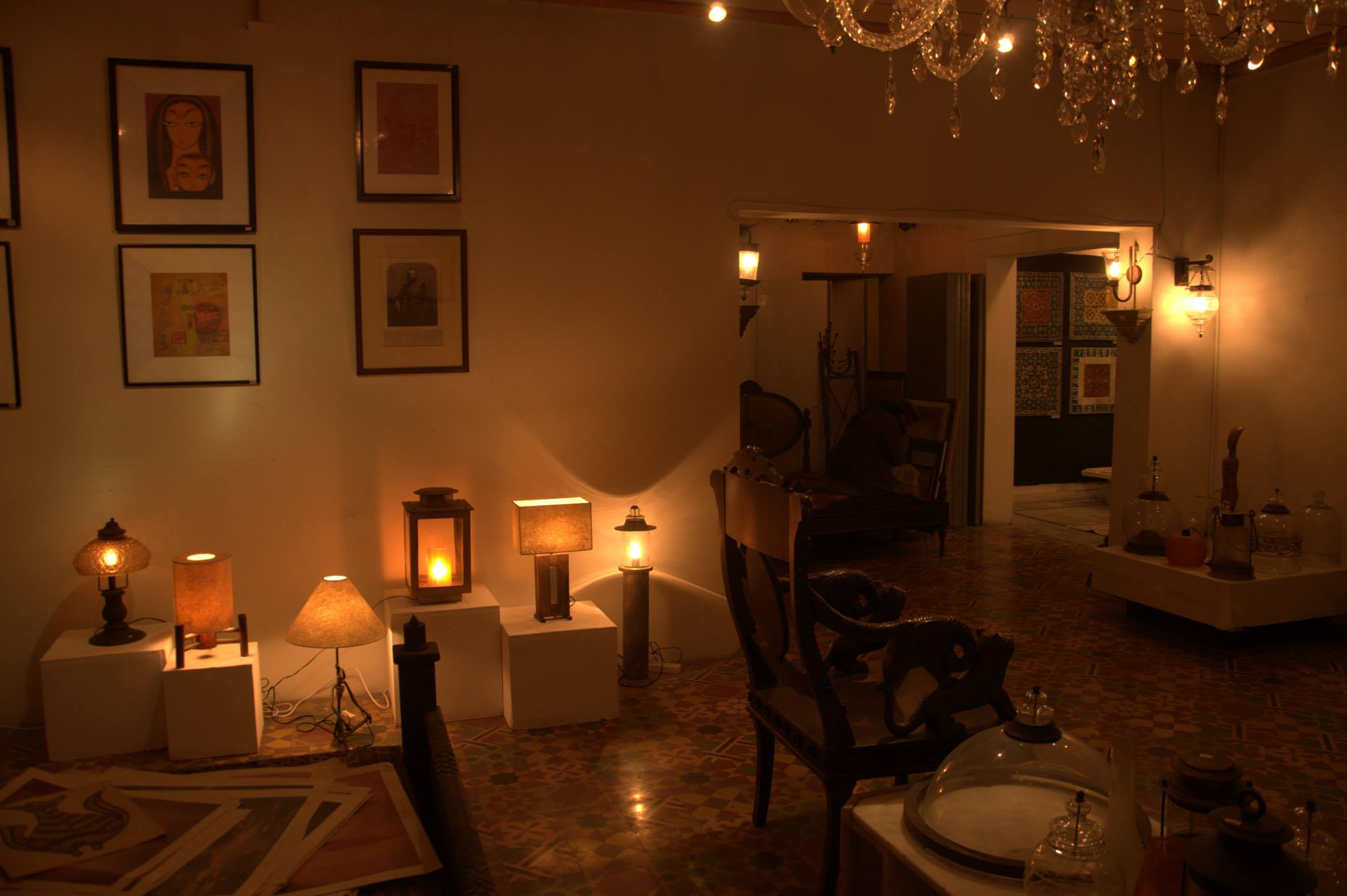
A Closing Light
Sometimes a room does more than just look bright — it remembers. Light settles into a sculpted-away groove, pools in brass turns, gathers in tinted glass, and converts a wall into ambience and a ceiling into art. The vintage lights at Nairang are part of a larger tradition of light: not just an assortment of fixtures screwed together to fill a space, but a select and handmade taxonomy of wall hangings, ceiling lights, and chandeliers that carry the dignity of craft, the aristocracy of old Lahore, and the quiet authority that comes from deep cultural rootedness. Some of these works reference the design language of Nayyar Ali Dada, who founded Nairang Gallery and whose aesthetic vision has shaped many of Lahore’s most recognisable spaces. At Nairang, these lights are not curated as commodities — they are curated as luminous memories
The vintage lights of Nairang Gallery are best understood as artefacts of atmosphere, memory, and design. Handmade, premium, and steeped in an aesthetic tradition, they not only light up rooms but also bring a way of seeing into the spaces they now occupy. Through their link to the craft traditions of Lahore, the curated voice of Nairang Gallery, and, in some instances, to the design language of Nayyar Ali Dada, they join a broader and evolving artistic dialogue.
Nairang Gallery, however, is the space where they truly belong: a space where art is never separate from life, and where beauty is both intellectual and emotional. For those who appreciate heritage, design, and the soul of Lahore, these vintage lights are not just decorations. They are luminous memories
Frequently Asked Questions
What makes vintage lights at Nairang Gallery unique?
Vintage lights at Nairang Gallery are handcrafted pieces that reflect Lahore’s cultural and artistic heritage. Unlike mass-produced lighting, these fixtures emphasize craftsmanship, material quality, and design continuity.
Are Nairang Gallery lights handmade?
Yes, many of the lights at Nairang Gallery are handmade, featuring materials such as brass, glass, and textured metals. Their individuality comes from artisanal processes rather than industrial production.
How are vintage lights different from modern lighting?
Vintage lights focus on craftsmanship, detail, and cultural identity, while modern lighting often prioritizes minimalism and mass production. Vintage designs tend to create atmosphere and character in a space.
Who is Nayyar Ali Dada, and how is he connected to Nairang Gallery?
Nayyar Ali Dada is a renowned Pakistani architect and the founder of Nairang Gallery. His design philosophy has influenced many aesthetic elements associated with the gallery, including its visual and spatial identity.
Why are chandeliers and vintage lights important in interior design?
Chandeliers and vintage lights shape the mood of a space, influence perception, and contribute to the overall aesthetic experience. They are often central elements in defining atmosphere and cultural expression.
How to Use Vintage Lights to Create a Cultural Interior
- Select handcrafted lighting instead of mass-produced fixtures.
- Use chandeliers to establish a focal point in the room.
- Add wall lights to create warmth and intimacy.
- Select materials like brass and glass for timeless appeal.
- Balance light and shadow to enhance mood and depth.
- Integrate lighting with architectural and decorative elements.