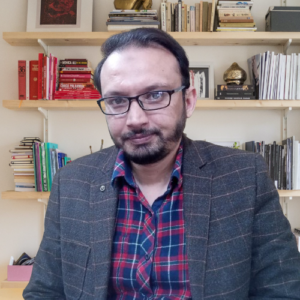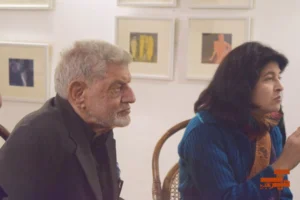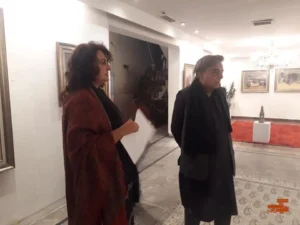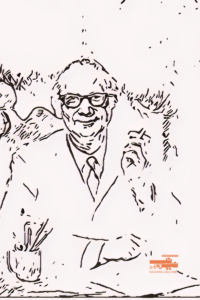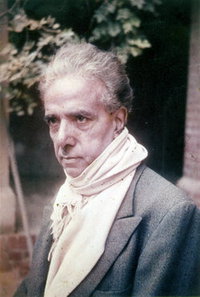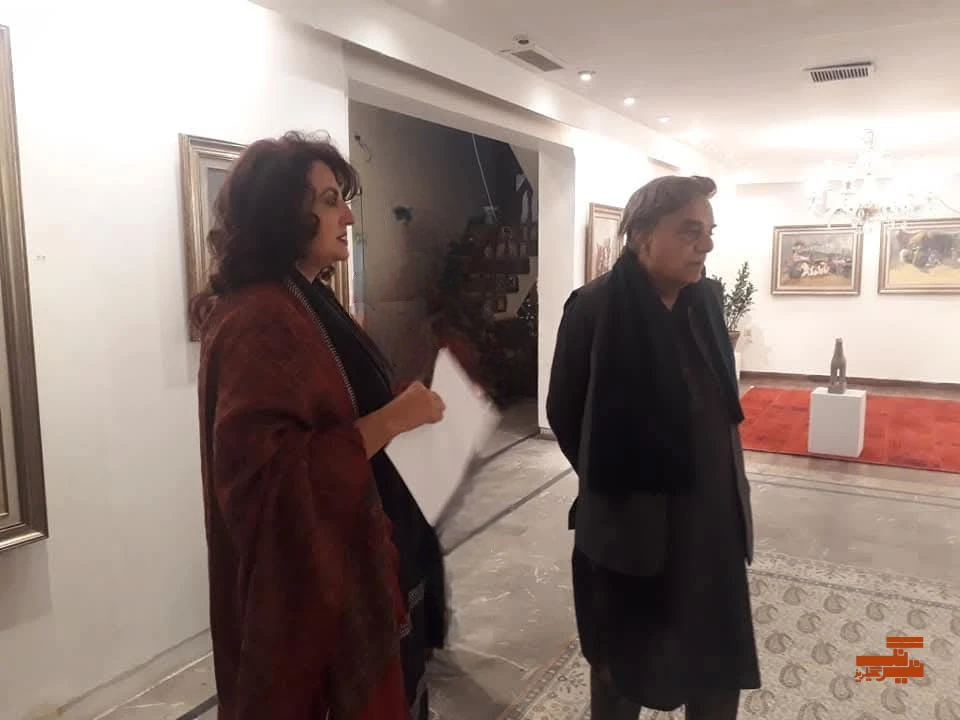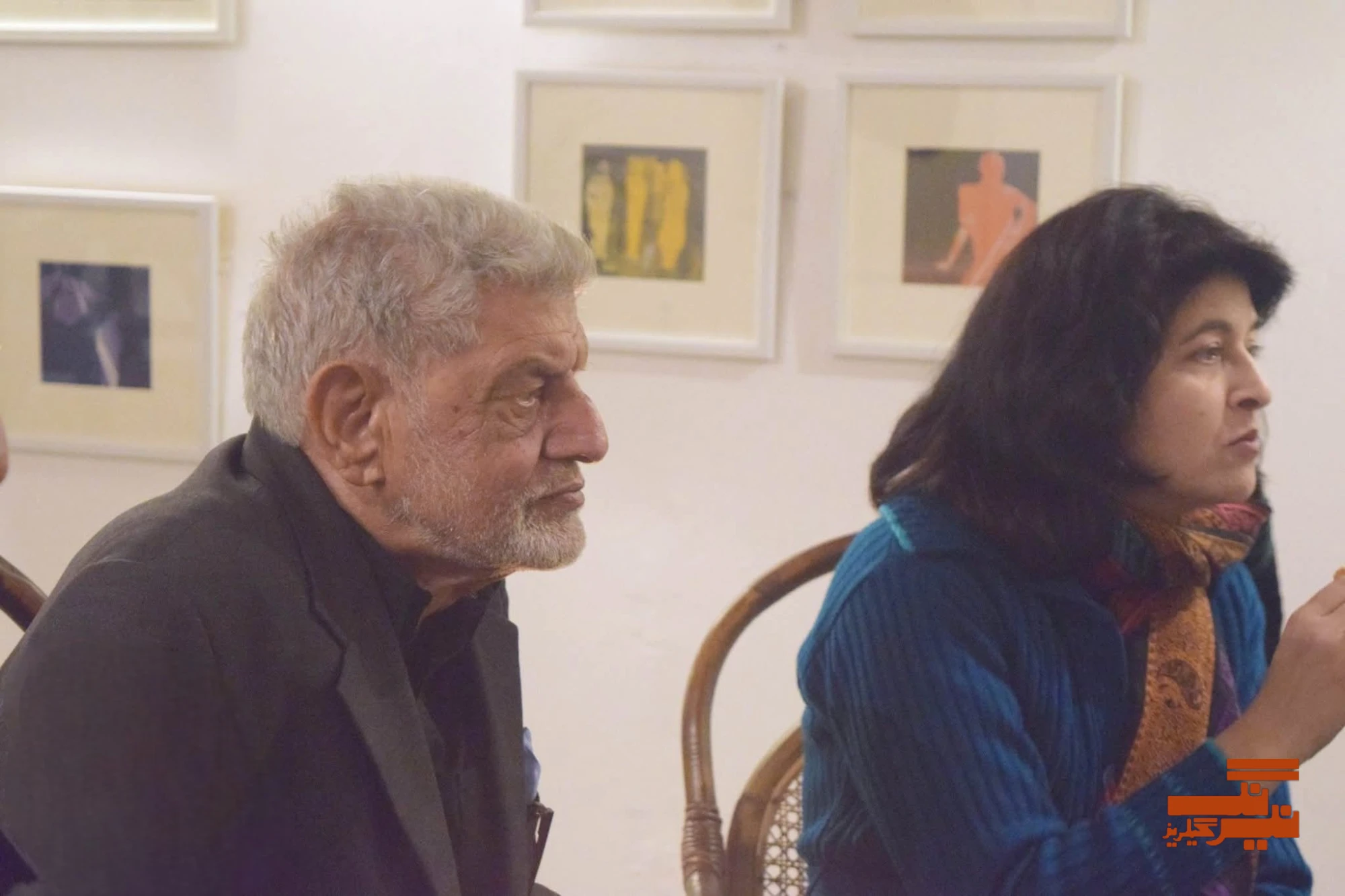
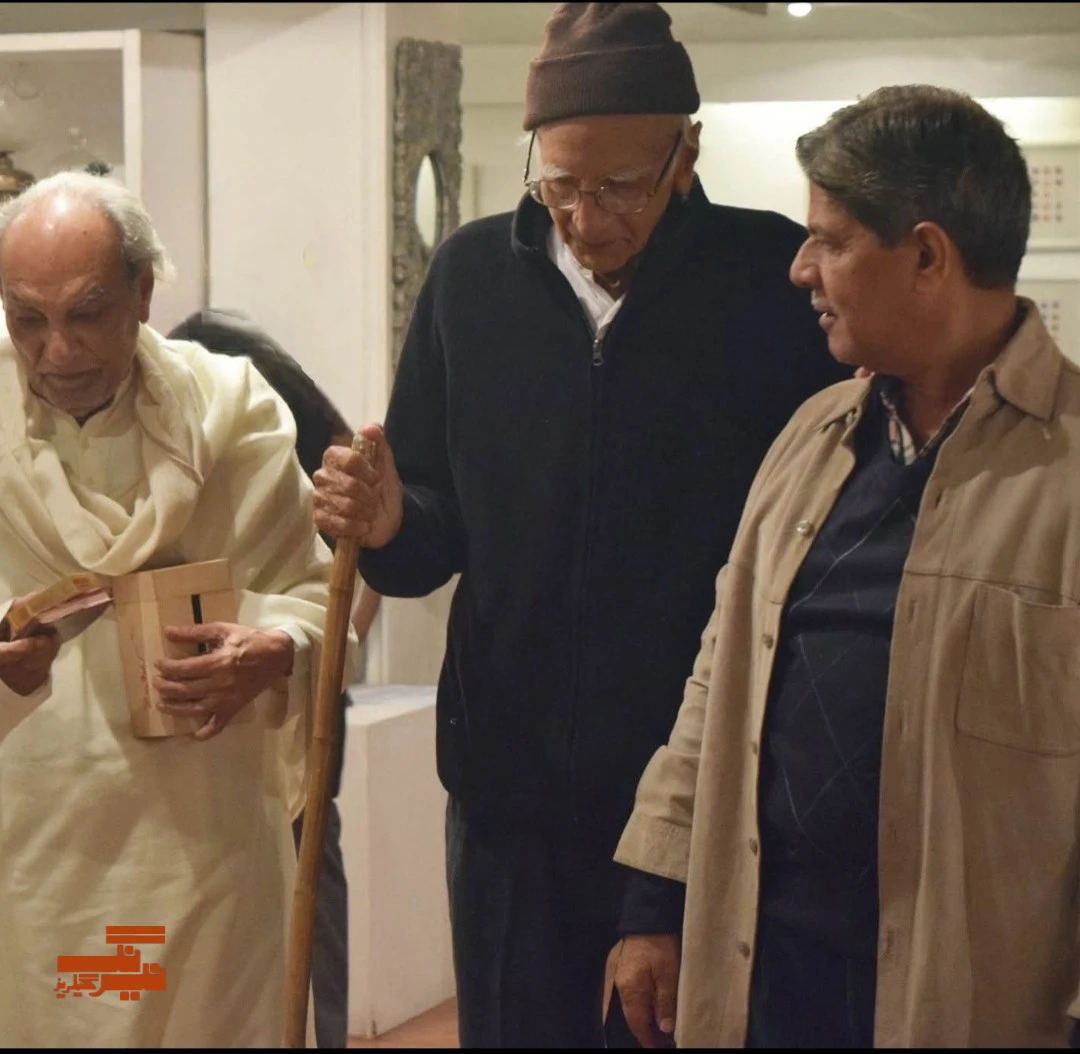
It is strange how some people, despite everything the world knows about them, prefer to sit slightly to the side. Dr. Mubashir Hasan was like that. In a gathering, you would not immediately notice him as the most important person in the room. In fact, if you didn’t already know, you might take him for someone who had simply come to listen. And perhaps that is what he preferred—to arrive without announcement, to take his seat without shifting the balance of the room.
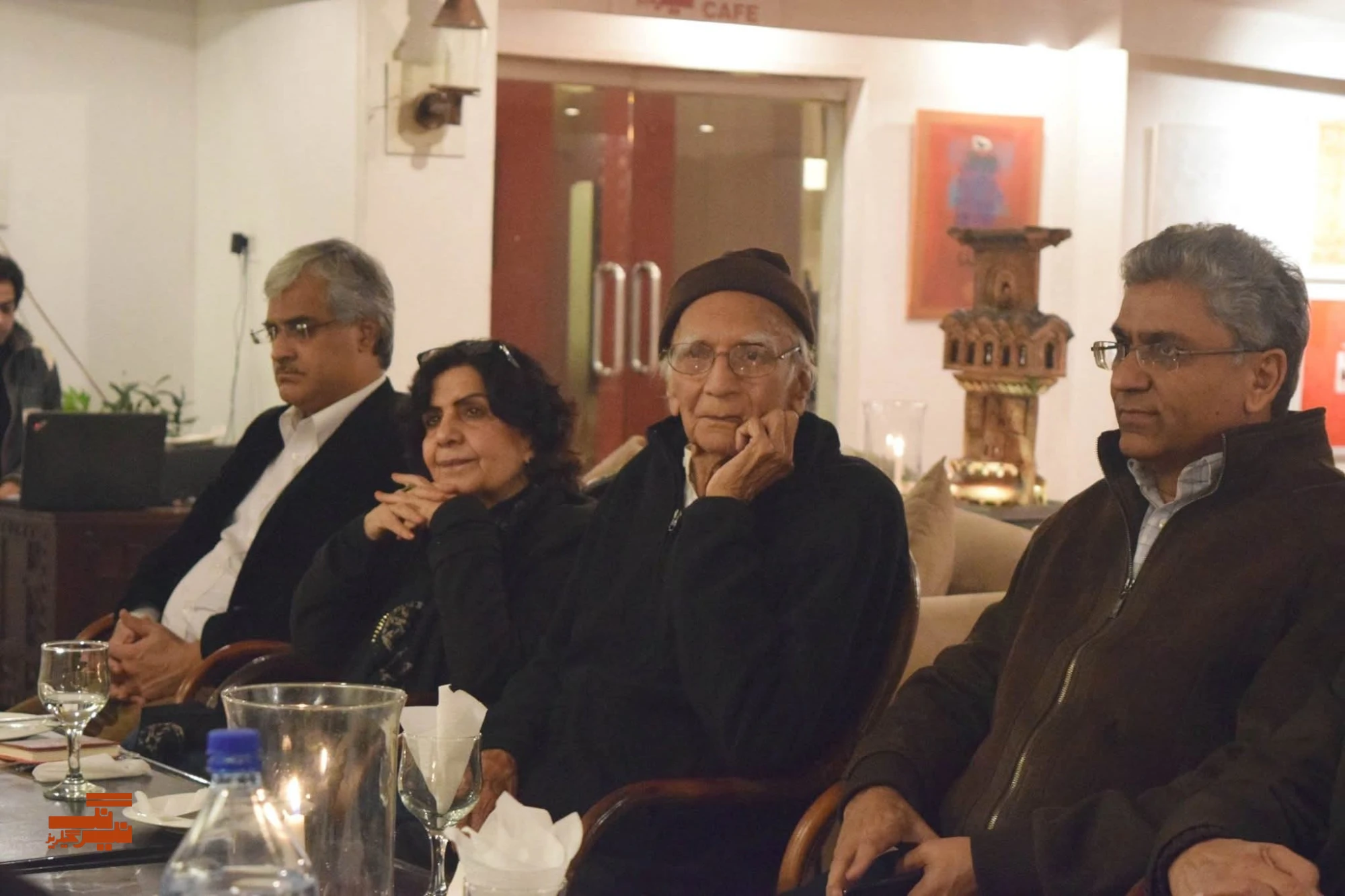
Image credit: Nairang Archives, c. 2012
The Shape of a Gathering
At Nairang Baithak, conversations rarely followed a straight line. They moved the way real conversations do—pausing, circling back, losing themselves before finding a direction again. In such a space, there are always those who try to guide the flow, bringing it toward clarity or a conclusion. Dr. Mubashir Hasan did neither.
He allowed the conversation to remain what it was—unfinished, open, sometimes uncertain. Others spoke more, some spoke louder, a few spoke to be remembered. He did not seem interested in any of that. He let the conversation take its time.
The Way He Sat With Words
Some people wait for their turn to speak. And then some do not measure time in turns at all. He belonged to the second kind.
If someone said something incomplete, he did not rush to complete it. If an argument lost its shape halfway, he did not step in to repair it. He allowed things to remain slightly unresolved—as if he trusted that not everything needed to conclude.
When he did speak, it was rarely to close a discussion. More often, it opened another direction—quietly, without insisting that others follow.
A Different Kind of Attention
What stays in memory is not a particular sentence of his, but a way of paying attention. He listened fully. Not politely, not out of habit—but with a kind of seriousness that made the speaker more careful, more aware of their own words.
It is a rare thing to be listened to in such a way that you begin to hear yourself in a different light. In those moments, the Baithak changed slightly. Not visibly, not dramatically—but enough for those present to feel it.
The Refusal to Perform
There is always, in literary gatherings, a small temptation to say something memorable, to leave behind a line that will be repeated later. He seemed untouched by that.
He did not reach for effect. If anything, he moved away from it. His sentences were plain, almost reluctant. But they carried a certain steadiness, as if they had been considered long before they were spoken.
It was not that he had less to say. It was that he did not feel the need to say it all.
— Nairang Archives c.2016
Among Others, Not Above Them
What made his presence distinct was not authority, but its absence. He did not place himself above the conversation, nor did he withdraw from it. He remained within it—among others—without claiming any special position.
And in doing so, he made the space feel more equal, more open. People spoke more freely around him. Not because he encouraged them to, but because he did not interrupt the natural movement of thought.
After the Gathering
It is only later, sometimes much later, that one realizes he had been there in a way others were not. Not through dominance, not through declaration—but through a kind of steadiness that held the room together without anyone noticing.
After the gathering ends, after the chairs are rearranged and the conversations dissolve into smaller fragments, something of that steadiness remains. You cannot point to it directly. You only feel that the evening had a certain balance to it.
And he had something to do with that.
Nairang and the Memory of Such Evenings
Places like Nairang do not remember people through formal accounts. They remember them through impressions—the way someone sat, the pauses they allowed, the tone they brought into the room.
Dr. Mubashir Hasan belongs to that kind of memory. Not fixed, not defined—but present in the way conversations are still allowed to unfold without urgency, without the pressure to conclude.
A Small, Lasting Thought
Not everyone leaves behind words that are quoted. Some leave behind a way of being that quietly alters how others speak, listen, and remain present.
He was one of those.
And perhaps that is why he is not easily written about.