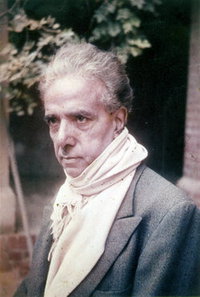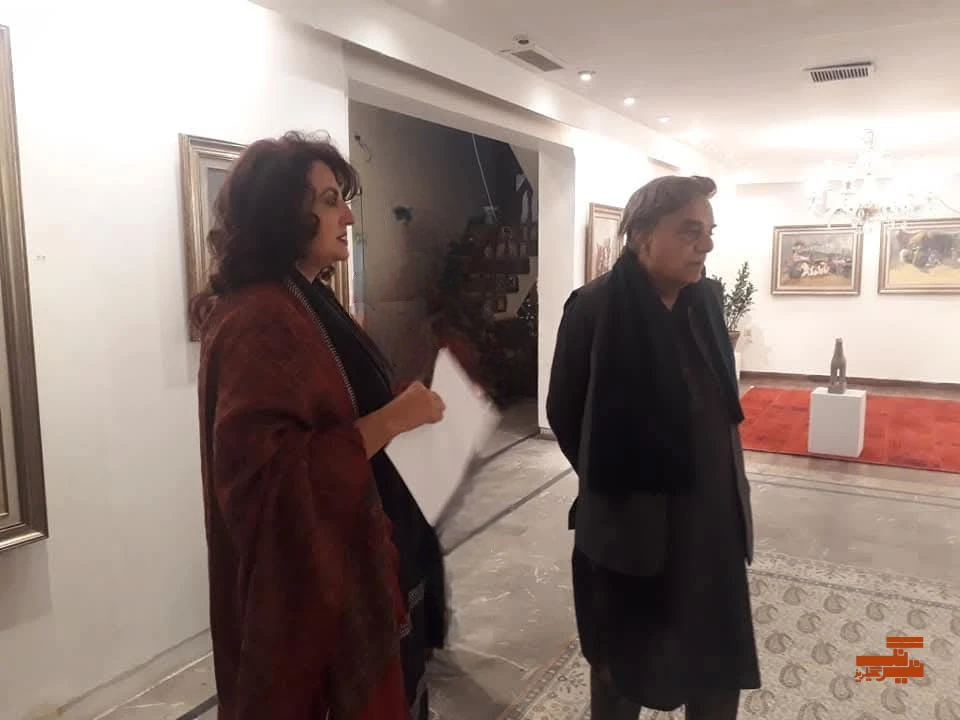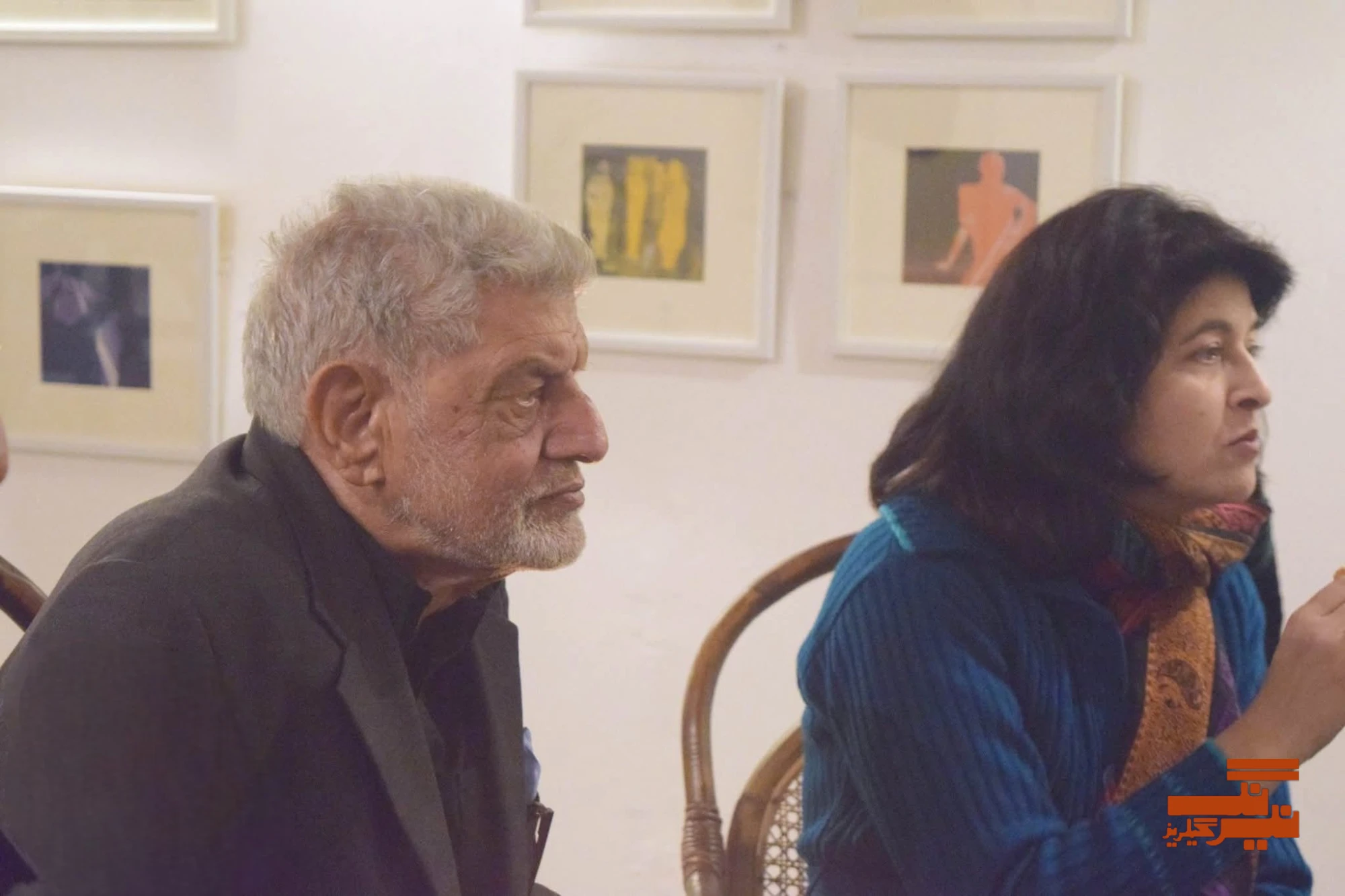
Some people do not leave behind monuments; they leave behind a way of seeing the world. In the rooms of Lahore where words mattered, where silence carried meaning, he was not the loudest, but he was often the most deeply heard.
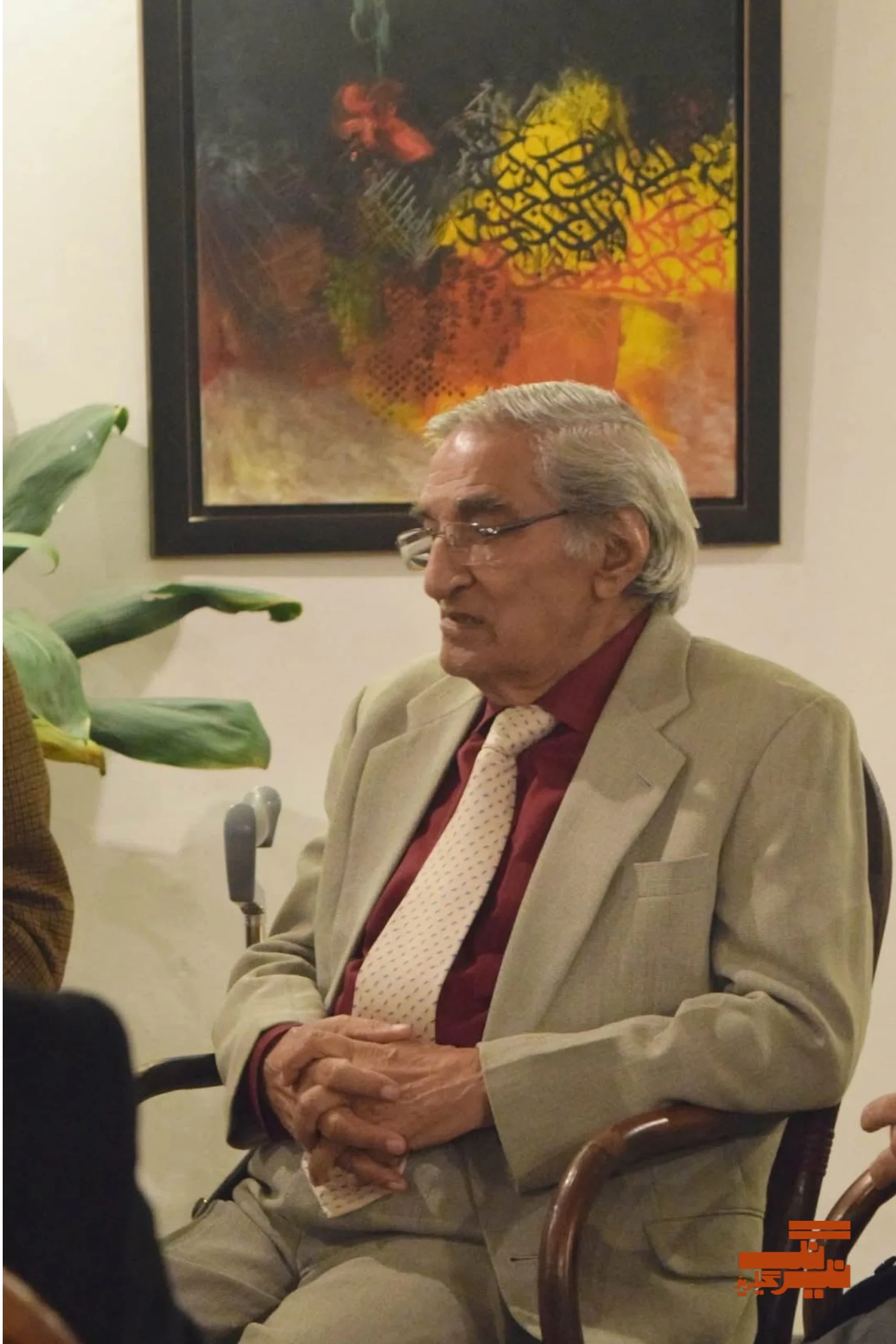
A Presence, Not a Persona
There was something deliberately simple about Munnu Bhai. He did not perform intellect; he lived it quietly. His sentences, whether spoken in conversation or written in his columns, carried no unnecessary weight. And yet, they lingered. They stayed with you—not because they were ornate, but because they were true.
In a time when voices often compete to be sharper, louder, and more decisive, he chose another path. He listened. He observed. He absorbed. And then, almost gently, he would respond—never to impress, always to illuminate.
The City and Its Witness
Lahore was not merely a backdrop in his life; it was a living companion. Its streets, its contradictions, its quiet tragedies and small kindnesses—all found their way into his sensibility. He understood Lahore not as a spectacle, but as a breathing, restless organism.
He wrote of ordinary people in a way that made them extraordinary—not by exaggeration, but by attention. The laborer at a roadside tea stall, the unnoticed passerby, the forgotten voice—these were not subjects for him; they were the center.
Nairang Baithak: A Circle of Listening
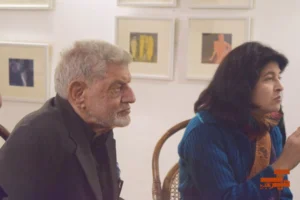
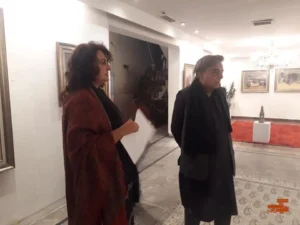
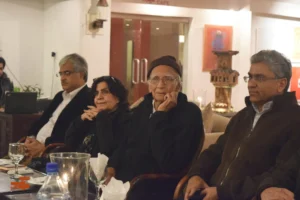
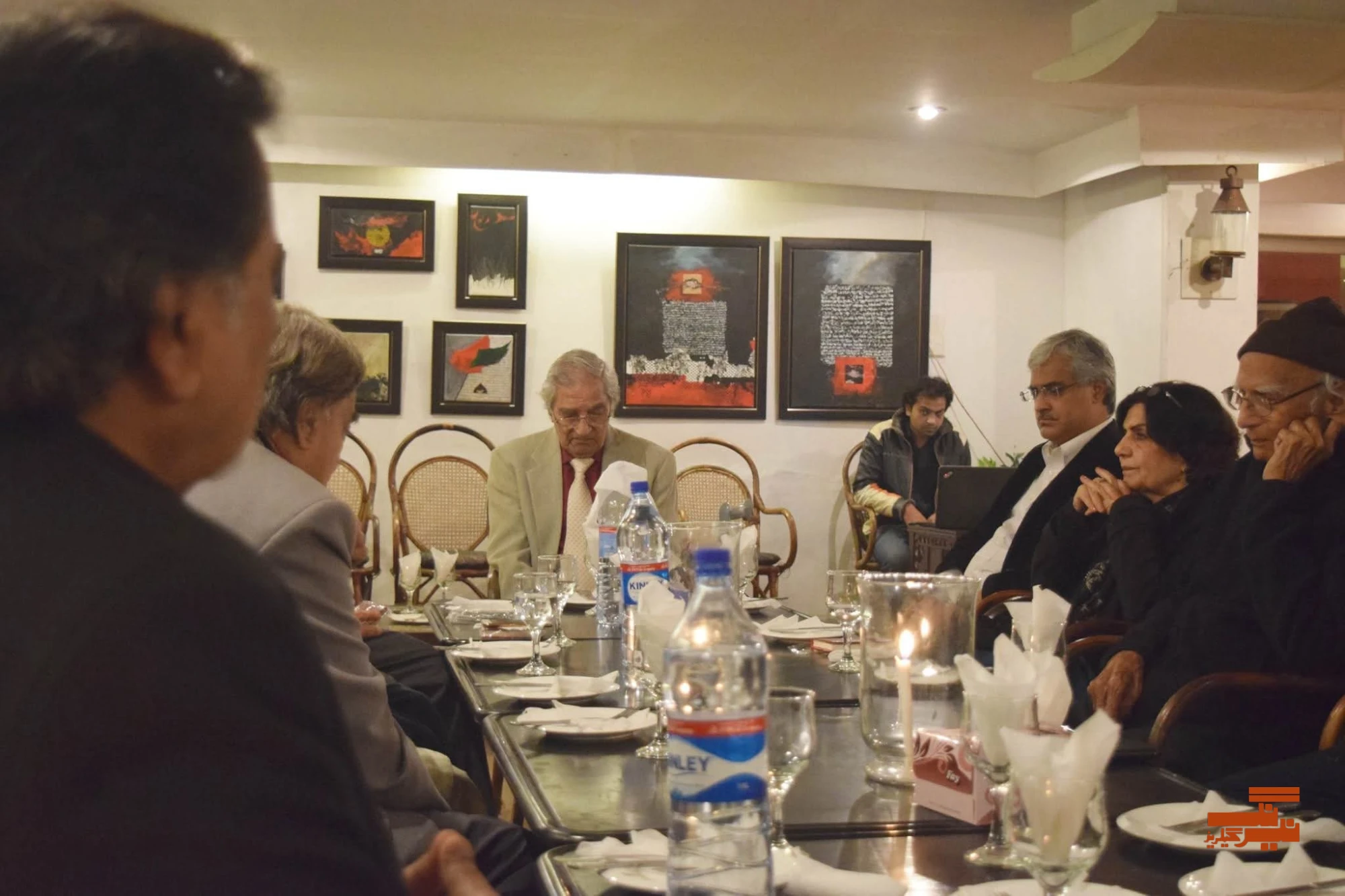
Within the intimate setting of Nairang Baithak, Munnu Bhai’s presence was never theatrical. He did not arrive with declarations. He arrived with a kind of stillness. And yet, when he spoke, the room shifted—subtly, but unmistakably.
Those gatherings were never about performance. They were about the exchange of ideas, of silences, of shared understanding. In that space, Munnu Bhai was not a figure to be observed; he was part of a living conversation. He belonged to the rhythm of the Baithak as naturally as breath belongs to the body.
There are moments one remembers not because of what was said, but because of how it felt to be there. Munnu Bhai existed in those moments—quietly shaping them, gently deepening them.
The Weight of Simplicity
It is easy to mistake simplicity for ease of use. But in Munnu Bhai’s work, simplicity was a discipline. To say something clearly, without adornment, and still carry depth—that requires a rare kind of honesty.
He never distanced himself from the people he wrote about. There was no hierarchy in his gaze. His empathy was not decorative; it was fundamental. He did not speak for others—he spoke with them, or sometimes, allowed them to be seen.
Remembering Without Noise
After his passing, there were many words—tributes, memories, acknowledgments. But somehow, they all felt slightly louder than he ever was. To remember Munnu Bhai properly, one must resist that noise.
He belongs to quieter recollections: a paused conversation, a thoughtful remark, the way a room settles when something honest has just been said. He belongs to the kind of memory that does not demand attention, but rewards it.
Nairang Gallery’s Reflection
At Nairang Gallery, remembrance is not an event—it is a continuity. The spirit of Nairang Baithak lives in the conversations that still unfold, in the pauses that are still respected, in the belief that art and literature are not separate from life, but deeply woven into it.
Munnu Bhai remains part of that continuity. Not as a distant figure, but as a presence that still informs the tone of the room. In the quiet honesty of a shared thought, in the refusal to turn expression into spectacle, one can still feel his influence.
To remember him here is not to look back—it is to recognize what still endures.
A Last Thought
Some voices echo loudly and then fade. And then there are voices like Munnu Bhai’s—measured, humane, deeply attentive—that do not echo at all. They remain, almost invisibly, shaping the way we listen, the way we speak, the way we understand one another.
In Lahore, in its conversations and silences, he is still present. Not as memory alone, but as a way of being—quiet, truthful, and enduring.